
Air handlers or wall heads
Heat Pump Installation in Nahant
A cold-climate heat pump that carries the winter and cools the summer, laid out from a per-room heat-loss tally and set up with the rebate and financing in view.
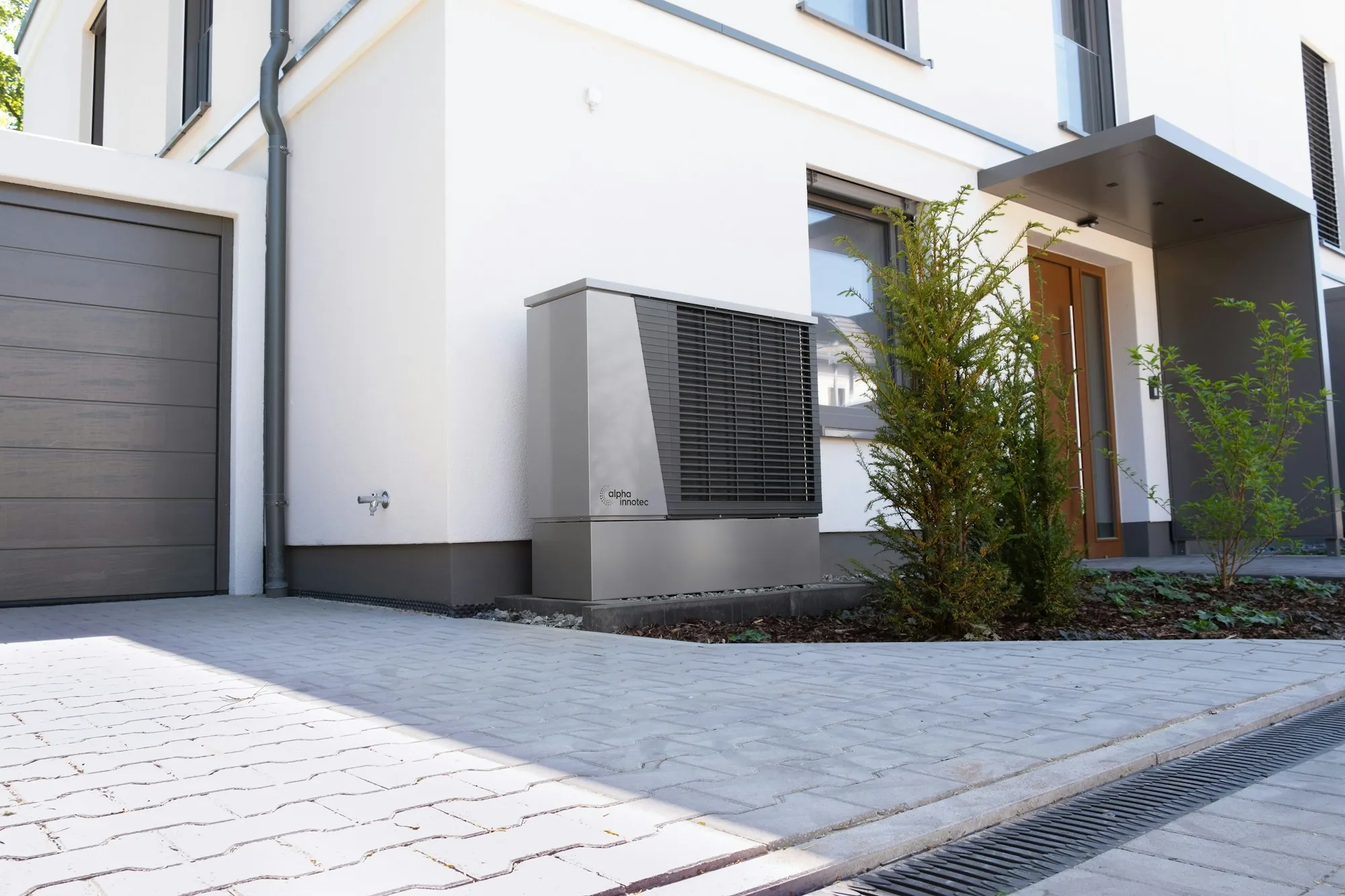
One System, Two Seasons, No Guesswork
Nothing burns inside a heat pump. It shifts heat. Cold months, it draws warmth out of the outside air and delivers it indoors. Hot months, the flow reverses. That is the whole pitch: one system replaces the boiler and the window units at the same time.
The catch is sizing. Undersize it and the bedrooms run cold in a February freeze. Oversize it and it stutters through short runs, burns electricity and leaves summer air sticky. So the job starts with numbers, not a catalog. We measure each room, note the windows and insulation, and calculate heat loss. That number sets the tonnage. The tonnage sets the equipment. The equipment sets the rebate math, because the Mass Save whole-home rebate is paid per ton, up to $8,500 for 2026 installs that satisfy the program's conditions.
From there, ducted or ductless is a practical call. A house with sound ductwork can often use a central air handler. A house heated by radiators or baseboard usually gets ductless heads. Plenty of homes end up with a mix. Either way, you see the layout, the price and the rebate estimate before anything is ordered.
What an Install Covers
The line items on nearly every heat pump job we plan.
Heat-loss calculation
Room-by-room numbers that set the system size, so the equipment matches the house instead of the old boiler's label.
Cold-climate equipment
Outdoor and indoor units chosen from qualifying cold-climate models, matched as a pair so the rebate stays on track.
Outdoor unit placement
Mounted on a pad or stand above snow line, with room for drainage and airflow and a clean path for the line set.
Indoor heads or air handler
Ductless heads placed where they heat each room evenly, or a ducted air handler tied into ductwork that can carry the load.
Line sets and wiring
Refrigerant lines and condensate drains routed neatly and covered, with the electrical circuits the system needs.
Controls
A thermostat or remote for every zone, and integrated controls if the boiler is staying on for the rare bitter night.
Startup and walkthrough
Pressure and performance checks, then a plain walkthrough of the settings, the filters and what to expect in the first cold snap.
How an Install Moves
Measure
A home visit to count heat loss room by room and look over the panel, the ductwork and the old heating system.
Propose
Hardware, head or duct layout, cost, likely rebate and loan figure written down, so you can decide with every number in front of you.
Install and test
Units set, lines run, controls wired, the system started and checked, and the rebate paperwork completed with you.
Why Plan Your Install With Us
Numbers before equipment
The heat-loss count comes first. You never get a system picked to match a sticker on the basement boiler.
Rebate built into the design
Equipment is checked against the qualified list before the proposal, so the system you approve is one the program can pay on.
Seven-day planning line
Our line stays open each afternoon and well into the evening, all week long, which suits busy schedules.
- Load count per room
- Winter-rated hardware
- Rebate-ready proposals
- Controls walkthrough
Ready to See What Your House Needs?
Give us the square footage, the current fuel and the problem rooms. Expect an outline of a likely system, the rebate it could earn and the next step toward a sizing visit.